
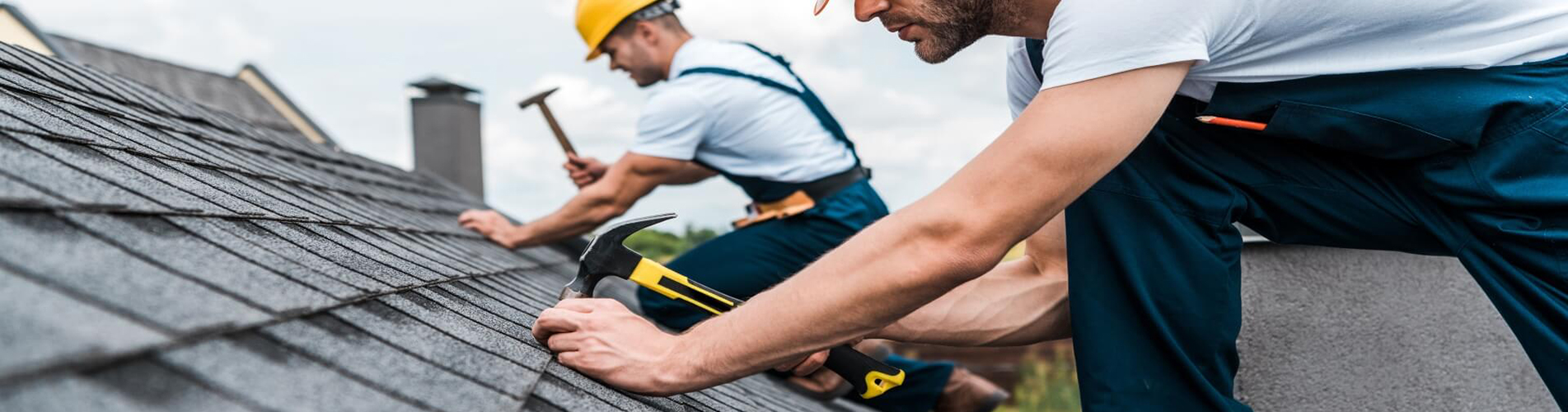
Строительство холодильной камеры — это не то же самое, что строительство обычного сарая.
Перед началом работы убедитесь, что поверхность ровная и чистая. Если плита перекрытия неровная, панели не будут...‘Если не подогнать правильно. Даже небольшие щели пропускают холодный воздух наружу и теплый внутрь. Четко разметьте линии на стенах. Не спешите с этим шагом. В противном случае, в холодной комнате быстро возникнут проблемы.
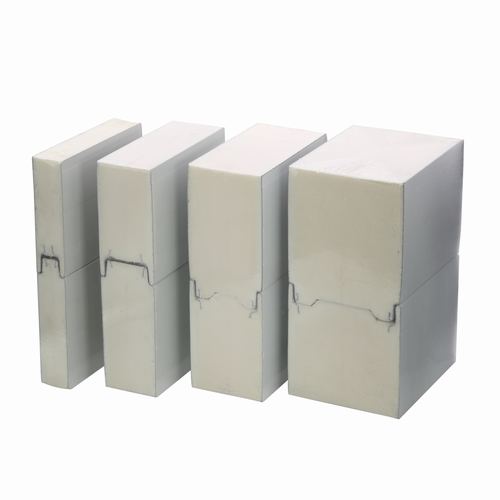
При монтаже панелей уделите особое внимание стыкам. Большинство протечек происходит именно здесь. Полностью загерметизируйте зазоры качественным герметиком для низких температур. Не наносите герметик только мелкими пятнами, а сплошной линией. Если ваши панели оснащены кулачковыми замками, затяните их, чтобы стянуть кромки. Для панелей с пазогребневым соединением наносите герметик внутрь паза. Соединение должно быть очень плотным.
Не забудьте про отверстия для труб или проводов. Из любого отверстия может выходить воздух. Заделайте их пенополиуретаном с закрытыми порами или гибкими уплотнительными кольцами, предназначенными для низких температур. Не забивайте их просто обычным пенополиуретаном. Проверьте также уплотнители дверей. Магнитные уплотнители должны плотно прилегать. Если вы видите свет по краям двери, значит, происходит утечка воздуха.
Тщательно выбирайте панели. Не все теплоизоляционные материалы одинаковы.Панели PIRОтталкивает влагу и позволяет продолжать работу во влажных местах. Панели из пенополистирола стоят дешевле, но теряют теплоизоляцию при намокании. Для морозильных камер с температурой ниже -20°C.°C. Закажите панели, предназначенные для таких низких температур. Воспользуйтесь услугами поставщика, который в этом разбирается. Компания Propanel (propaneltech.com) продает панели из полиуретана и пенополиуретана и поможет вам выбрать подходящие.
После установки осмотрите каждый стык, угол и отверстие. Используйте дымовые тесты, чтобы обнаружить невидимые протечки. Не останавливайтесь на этом. Холодильные камеры оседают, уплотнения изнашиваются, а детали смещаются. Регулярно проверяйте, чтобы своевременно устранять мелкие протечки. Это сэкономит деньги и обеспечит бесперебойную работу вашей холодильной камеры.
Герметичный холодная комната Для этого необходимы три вещи: хорошая подготовка, аккуратная подгонка и качественные панели. Пропуск любого из этих пунктов приведет к пустой трате энергии и материала. Не торопитесь. Делайте все правильно. Работайте с экспертами. Ваша холодильная камера и ваш кошелек будут вам благодарны.

Авторское право
@ 2026 CHENGDU PROPANEL TECH CO., LTD. Все права защищены
.  ПОДДЕРЖИВАЕМАЯ СЕТЬ
Hi! Click one of our members below to chat on